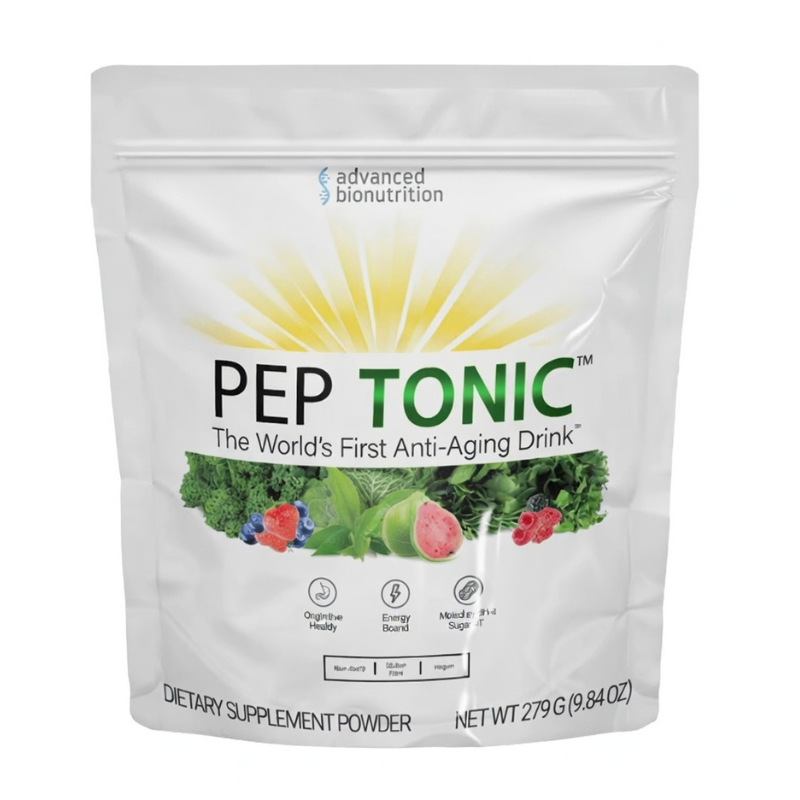
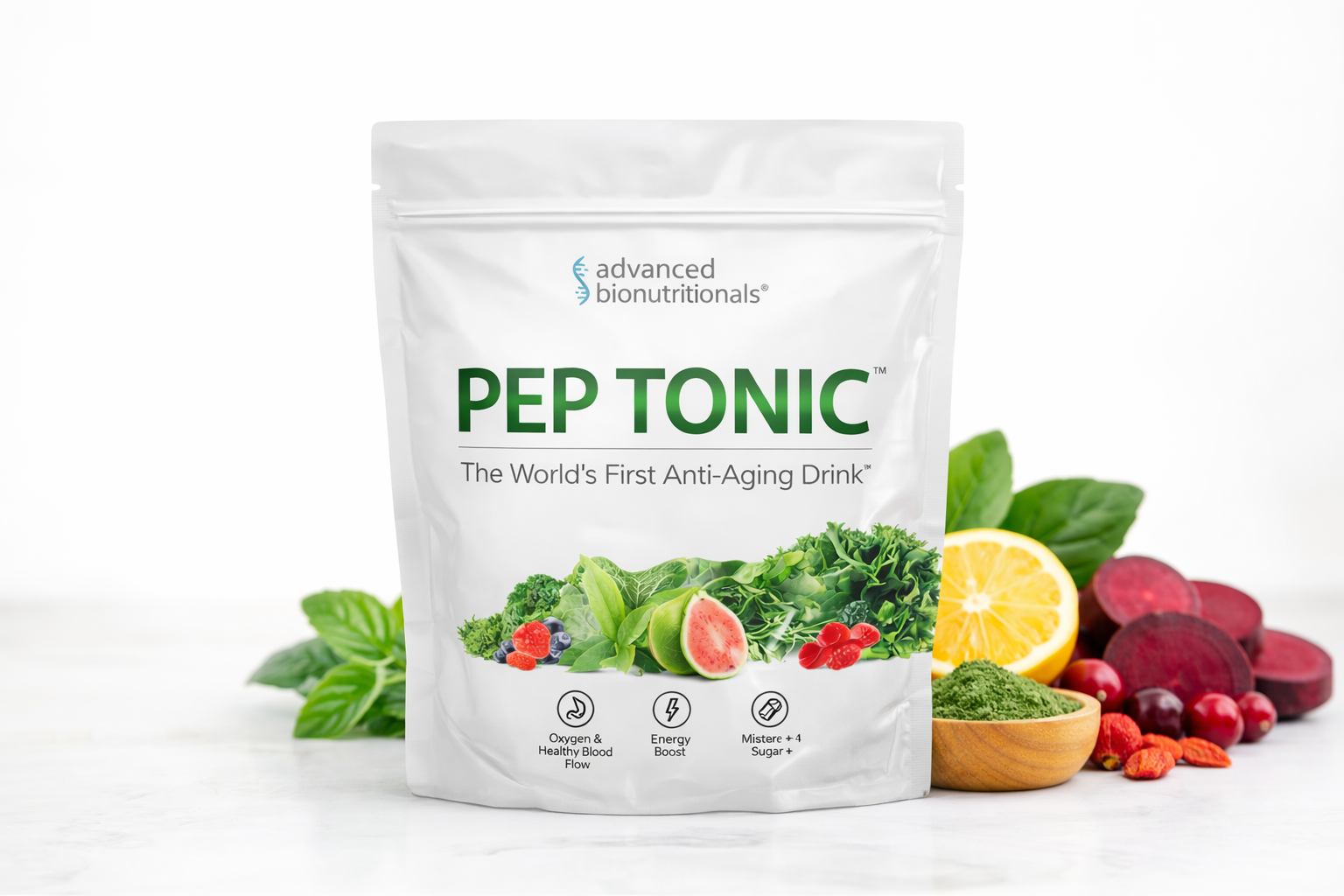
Pep Tonic Ingredients: Understanding the Formula and Its Nutritional Components
Ingredient lists are often the most misunderstood aspect of dietary supplements. Individual components are frequently evaluated in isolation, without proper consideration of formulation logic, dosage context, or how nutrients function together within the body.
Pep Tonic is positioned as a nutritional greens-based supplement designed to support cellular health, longevity, and overall vitality through a combination of plant-based nutrients and bioactive compounds. Many readers researching longevity supplements want to understand what ingredients Pep Tonic contains and how those ingredients contribute to normal physiological function. Rather than focusing on isolated “active” compounds, the formula reflects a balanced approach intended to support whole-body wellness processes.
This article provides an educational overview of Pep Tonic’s ingredients and complements the broader analysis presented in the complete Pep Tonic review, including its formulation, intended benefits, and overall longevity-focused nutritional strategy.
Pep Tonic is not intended to diagnose, treat, cure, or prevent any disease. The information provided here is for educational purposes only and should be interpreted within the context of a balanced diet, healthy lifestyle, and professional guidance when appropriate.
How to Evaluate Supplement Ingredients Responsibly
Evaluating the ingredients of a dietary supplement requires more than identifying familiar names or popular compounds. Ingredient effectiveness and relevance depend on formulation context, dosage strategy, and how components interact within normal physiological processes.
For nutritional longevity formulas like Pep Tonic, ingredients should be viewed as part of a broader wellness system rather than as isolated agents.
Ingredients as Part of a Formulation, Not in Isolation
Individual ingredients are often discussed as if they function independently. In practice, dietary supplements are formulated to work as integrated systems supporting biological pathways, as explained in detail in how Pep Tonic works within the body and its underlying biological mechanisms.
An ingredient that appears modest on its own may contribute meaningfully when combined with other components that support related processes such as energy metabolism, cellular communication, or stress adaptation.
Why Dosage Context Matters
The presence of an ingredient alone does not determine its relevance. Dosage levels, frequency of intake, and formulation balance influence how ingredients function nutritionally, which is discussed further in the Pep Tonic dosage and proper usage guidance.
Responsible formulations aim to provide amounts that support normal physiological processes rather than excessive or pharmacological dosing intended to force effects.
Understanding Ingredient Roles vs. Claims
Ingredient lists should be evaluated based on their nutritional roles, not marketing claims. Many compounds are associated with general wellness support but are often promoted with exaggerated or unsubstantiated benefits.
Pep Tonic’s ingredients are positioned to support normal cellular function and overall vitality through nutrition-based mechanisms aligned with the wellness and longevity benefits Pep Tonic is designed to support.
Synergy and Compatibility in Cognitive Formulas
Whole-body health and longevity rely on multiple interconnected systems. Ingredients that support different aspects of cellular health—such as energy metabolism, circulation, antioxidant defense, and adaptive balance—are often combined to reflect this complexity.
Evaluating ingredient synergy helps clarify why a formula includes multiple components rather than relying on a single “active” ingredient.
Transparency and Informed Evaluation
Responsible evaluation also depends on transparency. Reviewing the Supplement Facts panel, understanding ingredient categories, and recognizing formulation intent are essential steps in assessing any nutritional longevity supplement.
Ingredients should always be considered within the context of individual health status, dietary patterns, and lifestyle factors.
Key Ingredient Categories in Pep Tonic
Pep Tonic’s formulation is built around ingredient categories commonly used in longevity-focused and whole-body wellness supplements. Rather than emphasizing isolated compounds, the formula reflects a category-based approach designed to support multiple, interconnected physiological processes through nutrition.
Understanding these categories helps clarify how the ingredients are intended to function together within normal physiological limits. Scientific research continues to explore the relationship between nutrition and brain health.
Pep Tonic Ingredient Overview
Pep Tonic is formulated with a combination of nutritional and bioactive compounds commonly used in longevity, antioxidant, and whole-body wellness supplements. Rather than relying on a single active compound, the formula combines ingredients associated with cellular energy metabolism, biological signaling, circulation, antioxidant defense, and adaptive stress response.
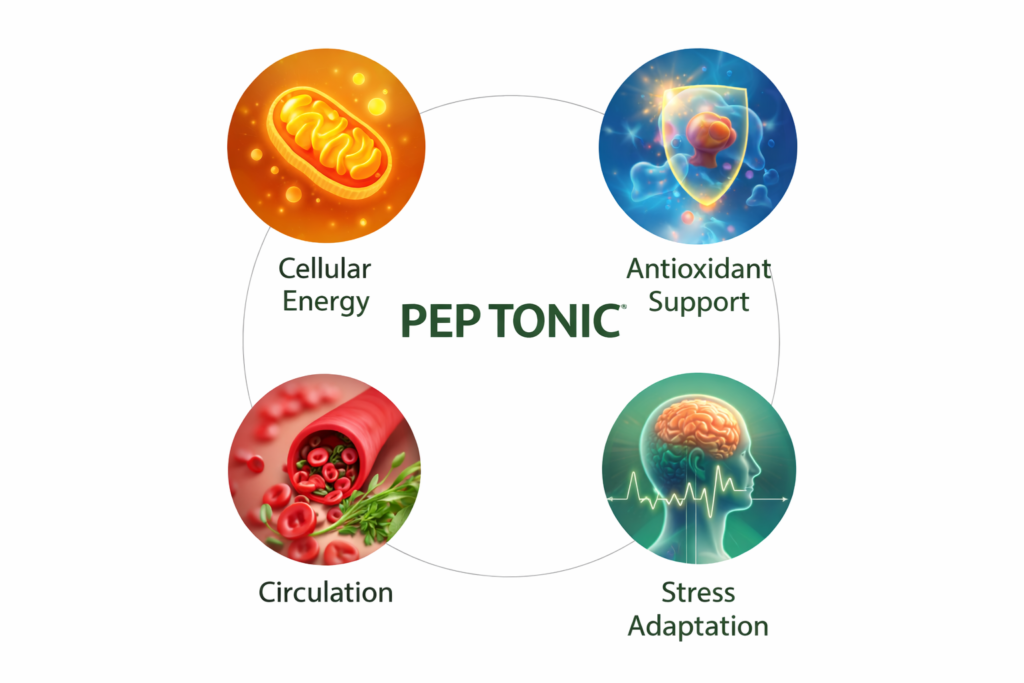
The ingredient categories typically associated with longevity and whole-body wellness formulas like Pep Tonic include:
• nutrients involved in cellular energy metabolism
• compounds associated with cellular communication and signaling pathways
• ingredients related to circulation and nutrient delivery
• components traditionally used to support adaptive stress response
Reviewing the full Supplement Facts panel helps clarify the exact ingredient composition, serving size, and dosage structure used in the formulation.
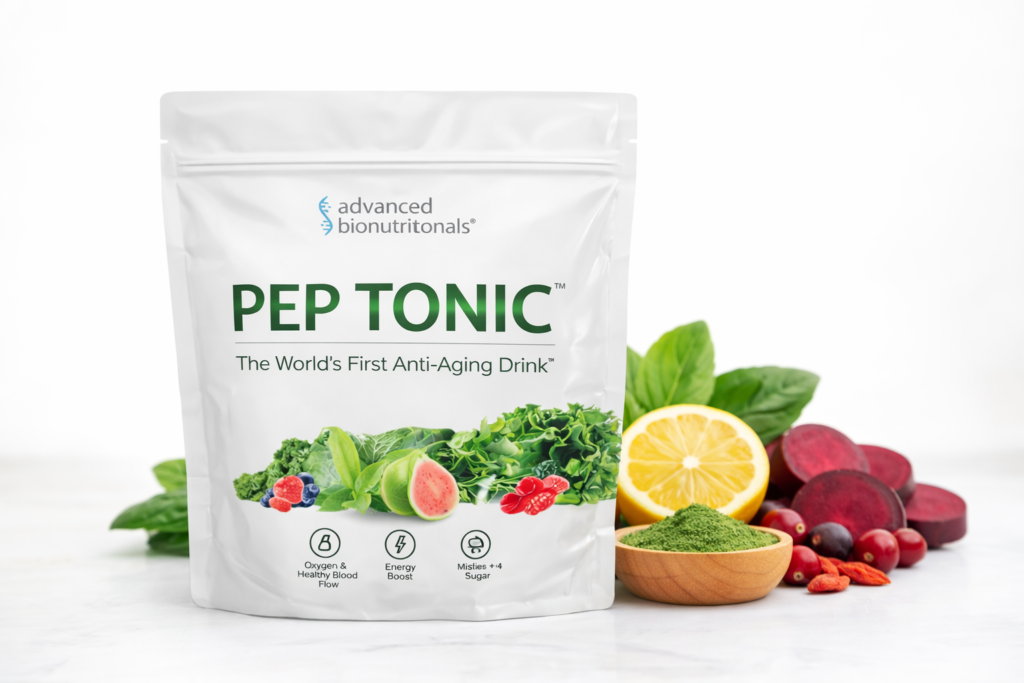
Understanding how ingredients are structured within a formula is an important first step, but many readers also want to see how these components come together in a complete product evaluation. A broader analysis can help clarify how Pep Tonic is positioned as a longevity-focused nutritional formula and what to realistically expect from its use.
Nutrients Involved in Cellular Energy Metabolism
Cells throughout the body require a constant supply of energy to maintain normal function, repair processes, and metabolic balance. Research on cellular energy metabolism highlights how overall physiological function depends heavily on stable metabolic support, as described in scientific research on cellular metabolism and energy production. Certain nutrients play roles in supporting cellular energy pathways that help sustain mental activity during cognitively demanding tasks.

Ingredients in this category are included to support normal energy utilization in brain tissue, contributing to sustained energy support and metabolic balance rather than short-term stimulation.
Components That Support Cellular Communication and Biological Signaling
Efficient communication between cells depends on the availability of specific nutritional building blocks that support signaling and metabolic coordination. These components are associated with cellular signaling pathways and metabolic communication processes throughout the body.
In Pep Tonic, ingredients within this category are positioned to support normal cellular communication without directly altering biological processes beyond their nutritional role.
Ingredients Associated With Circulatory Support
Adequate circulation helps deliver oxygen and nutrients throughout the body while assisting in the removal of metabolic byproducts. Supporting normal circulatory function is a foundational aspect of overall health and nutrient delivery throughout the body.
Pep Tonic’s formulation includes ingredient categories commonly associated with supporting circulation-related processes as part of overall systemic health and nutrient distribution.
Adaptogenic and Stress-Related Nutritional Support
Overall well-being can be influenced by how the body adapts to everyday physical and mental stress. Some ingredient categories are traditionally used in nutritional contexts to support adaptive balance and resilience.
These components are included to complement stress-management practices, not to act as sedatives or stimulants.
Why Category-Based Formulation Matters
Overall health and longevity depend on the interaction of multiple biological systems rather than a single pathway. Organizing ingredients into functional categories reflects this complexity and helps explain why balanced formulas may offer broader support than single-ingredient approaches.
Evaluating Pep Tonic through this category-based lens provides a clearer understanding of the formulation’s intent and limitations.
Readers who want to explore a complete evaluation of Pep Tonic — including formulation analysis, ingredient context, safety considerations, and overall longevity-focused nutritional strategy — can review the full product overview.
Understanding Ingredient Transparency and Label Information
Ingredient transparency plays a central role in evaluating any dietary supplement. Understanding how ingredients are presented on the label helps consumers assess formulation intent, quality standards, and appropriate use without relying on marketing claims.
For nutritional supplements like Pep Tonic, label information provides essential context for responsible decision-making.
Reading the Supplement Facts Panel
The Supplement Facts panel lists ingredients, serving size, and nutrient amounts per serving. This information helps clarify how the formula is intended to be used and what nutritional contribution it provides within a daily routine.
Reviewing this panel allows individuals to understand ingredient groupings, relative quantities, and whether the formulation aligns with their dietary needs.
Active Ingredients vs. Supporting Components
Not all ingredients serve the same function. Some are included for their nutritional roles related to overall wellness and physiological support, while others may serve supportive purposes such as stabilization, absorption, or product consistency.
Recognizing this distinction helps prevent misinterpretation of ingredient lists and avoids placing undue emphasis on non-functional components.
Proprietary Blends and Disclosure Practices
Some supplements use proprietary blends, which group multiple ingredients under a single heading. While this practice is permitted, it can limit visibility into the exact amount of each component.
When evaluating nutritional supplements, transparency and clear disclosure contribute to informed use and trust in the product.
Ingredient Sourcing and Quality Considerations
Ingredient quality can be influenced by sourcing, processing, and manufacturing standards. Reputable supplement manufacturers follow quality control practices designed to ensure ingredient identity, purity, and consistency.
While sourcing details may not always be fully disclosed, adherence to recognized manufacturing standards is an important consideration.
Why Transparency Supports Responsible Use
Clear labeling and ingredient transparency empower individuals to make informed decisions, assess compatibility with personal health needs, and seek professional guidance when appropriate.
Understanding ingredient information is a key step in evaluating how Pep Tonic fits within a broader approach to overall wellness and longevity support.
Important Limitations and Considerations When Evaluating Ingredients
While ingredient lists provide valuable insight into a supplement’s formulation, they should always be interpreted with an understanding of their limitations. Responsible evaluation requires recognizing what ingredient information can—and cannot—reveal about a product’s role in overall wellness and longevity support.
Ingredients Do Not Act in Isolation
Ingredients listed on a label do not function independently once consumed. Their nutritional roles depend on how they interact with one another, how they are absorbed, and how the body utilizes them within existing physiological systems.
Focusing on a single ingredient without considering the full formulation may lead to inaccurate conclusions about a supplement’s intended support.
Presence of an Ingredient Does Not Guarantee an Effect
The inclusion of an ingredient does not automatically translate to noticeable or specific outcomes. Factors such as dosage, bioavailability, individual metabolism, and overall lifestyle context influence how nutritional components are utilized.
Readers interested in evaluating the broader scientific context of the formula may also explore whether Pep Tonic actually works and how longevity-focused nutritional supplements are realistically evaluated.
Ingredients Are Not Substitutes for Medical Care
Dietary supplement ingredients are not intended to diagnose, treat, cure, or prevent medical conditions, as outlined in FDA guidance on dietary supplements. Health concerns related to physiological, neurological, or metabolic conditions require professional evaluation and care.
Ingredients should be viewed as part of a wellness-oriented nutritional strategy, not as medical interventions.
Individual Sensitivity and Tolerance
Individual responses to ingredients can vary, and readers interested in safety considerations may review Pep Tonic side effects and safety considerations.
Consulting a qualified healthcare professional is recommended when there are questions about ingredient compatibility or personal health considerations.
Evaluating Ingredients Within a Broader Wellness Context
Ingredients contribute most effectively when considered alongside sleep quality, nutrition, stress management, and physical activity. Overall health and long-term vitality depend on the interaction of these factors rather than on ingredient intake alone.
Understanding these limitations supports realistic expectations and responsible use of longevity-focused nutritional supplements like Pep Tonic.

After understanding how Pep Tonic’s ingredients are structured and how they function together within a longevity-focused formulation, many readers choose to explore a more complete evaluation before making a decision. Reviewing the full analysis can provide a clearer perspective on the product’s formulation, intended benefits, and overall positioning.
Frequently Asked Questions (FAQ)
Does Pep Tonic disclose all of its ingredients on the label?
Pep Tonic provides ingredient information through its Supplement Facts panel, which outlines the components included in the formula. Reviewing this panel is essential for understanding formulation intent and appropriate use.
Are Pep Tonic’s ingredients meant to work individually or together?
The ingredients in Pep Tonic are designed to function as part of a combined formulation. Nutritional and longevity-focused supplements typically rely on ingredient synergy rather than isolated effects from single components.
Can ingredient quality affect how a supplement is experienced?
Yes. Ingredient sourcing, processing, and manufacturing standards can influence consistency and tolerability. Quality control practices help ensure that ingredients meet established specifications.
Are Pep Tonic’s ingredients safe for everyone?
Dietary supplements are not universally appropriate. Individuals with medical conditions or sensitivities may explore who should use Pep Tonic and who may need to avoid this supplement for a more detailed suitability overview.
Should ingredients be evaluated based on claims or nutritional roles?
Ingredients should be evaluated based on their nutritional roles and how they support normal physiological processes, not on marketing claims or exaggerated benefits.
Written by NutraMarke Editorial Team
The NutraMarke Editorial Team develops educational content focused on dietary supplements, longevity, and overall wellness, and responsible supplementation practices. Articles are created for informational purposes only and aim to support balanced, evidence-informed decision-making.
Medical Disclaimer
Pep Tonic is a dietary supplement intended to support normal physiological function and overall wellness as part of a balanced lifestyle. Statements regarding this product have not been evaluated by the Food and Drug Administration (FDA).
This product is not intended to diagnose, treat, cure, or prevent any disease. The information provided in this article is for educational purposes only and should not be considered medical advice.
Individuals with medical conditions, those taking prescription medications, or anyone who is pregnant or nursing should consult a qualified healthcare professional before using any dietary supplement.