
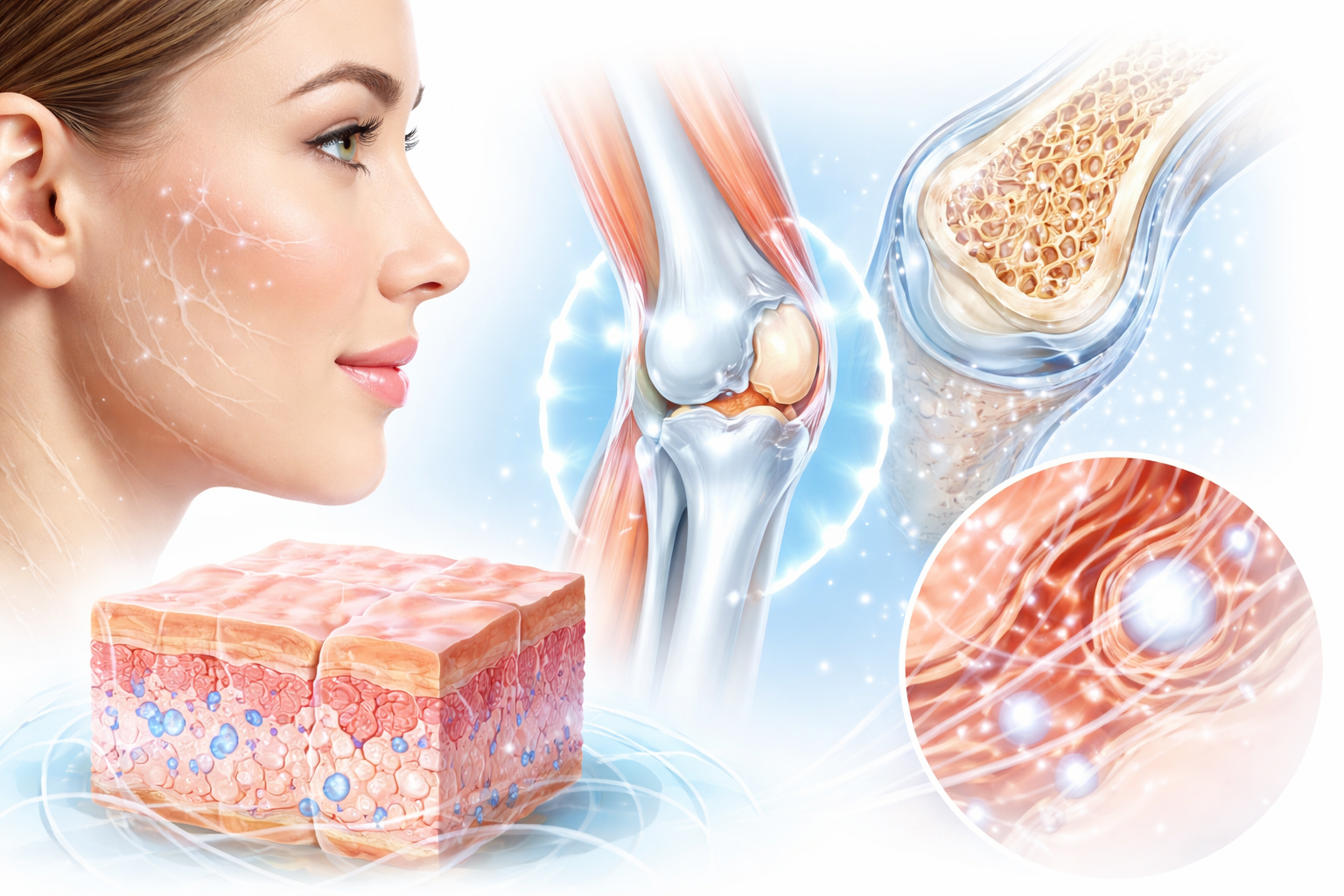
Advanced Collagen Plus Review: Collagen Support for Skin, Joints, and Overall Structural Health
Collagen is the most abundant protein in the human body, playing a foundational role in maintaining the structure and integrity of skin, joints, bones, connective tissues, and blood vessels. As part of the body’s natural framework, collagen contributes to strength, elasticity, and resilience across multiple systems.
With age, natural collagen production gradually declines. This process is influenced not only by aging itself but also by lifestyle factors such as diet quality, sun exposure, physical stress, and overall metabolic health. For this reason, collagen support supplements have become a common topic of interest among adults seeking to support structural health as part of a long-term wellness strategy.
Advanced Collagen Plus is positioned as a dietary supplement formulated to support collagen intake using collagen peptides and complementary nutrients. Rather than acting as a treatment or corrective solution, the formula is designed to support normal physiological processes related to connective tissue maintenance.
Understanding what collagen supplements are designed to support — and equally, what they are not intended to do — is essential for making informed and responsible decisions.
Understanding Collagen Support in Context
Collagen support supplements are often discussed in the context of skin appearance, joint comfort, and structural health. However, collagen itself is not a cosmetic or therapeutic substance — it is a structural protein that supports normal biological functions throughout the body.
To properly evaluate collagen supplementation, it is important to understand how collagen supplementation works within normal physiology and how supplementation is positioned within a broader nutritional and lifestyle framework.
What Collagen Is and Why It Matters
Collagen is a fibrous protein composed primarily of amino acids such as glycine, proline, and hydroxyproline. These amino acids form a structural matrix that provides strength and flexibility to connective tissues.
In the body, collagen contributes to:
- Skin structure and elasticity
- Tendons and ligaments that support movement
- Cartilage that cushions joints
- Bone matrix and overall skeletal structure
Because collagen plays a structural role rather than a signaling or hormonal role, its function is largely supportive and cumulative over time.
Collagen Supplementation as Nutritional Support
Collagen supplements are designed to complement dietary protein intake, not replace it. Once consumed, collagen is broken down during digestion into individual amino acids and small peptides, which the body may then reuse according to its physiological needs.
This means collagen supplementation does not guarantee targeted effects in specific tissues. Instead, it contributes raw materials that may support normal connective tissue maintenance as part of an overall nutritional strategy.
Collagen support is therefore best understood as foundational nutrition, rather than a short-term or symptom-focused intervention.
Setting Realistic Expectations
One of the most important aspects of responsible supplementation is expectation management. Collagen supplements are not designed to:
- Reverse aging processes
- Repair damaged tissues
- Replace medical treatment or physical therapy
Any perceived benefits from collagen support tend to be gradual, subtle, and influenced by factors such as consistency of use, overall diet, hydration, physical activity, and individual metabolism.
Understanding these limitations helps align collagen supplementation with realistic, long-term wellness goals.
What This Review Covers (and What It Does Not)
Because collagen supplements are often surrounded by exaggerated marketing claims, it is important to clearly define the scope and limitations of this review. This section outlines exactly what this article is intended to help readers understand — and what falls outside its purpose.
Topics Covered in This Guide
This review is designed to provide an educational overview of Advanced Collagen Plus within the context of responsible supplementation. Topics addressed include:
- The biological role of collagen in the human body
- How collagen supplementation is designed to work within the body
- The purpose of complementary nutrients commonly included in collagen formulas
- Areas of structural health collagen support is commonly associated with
- General safety considerations and responsible usage
The goal is to support informed decision-making, not to promote outcomes or results.
What This Guide Does Not Do
This article does not:
- Provide medical advice or clinical recommendations
- Diagnose, treat, cure, or prevent any disease
- Replace evaluation by a qualified healthcare professional
- Guarantee specific results from supplementation
Collagen supplements, including Advanced Collagen Plus, are intended to support normal physiological processes only. Any individual considering supplementation should evaluate personal health status, lifestyle, and dietary needs — ideally with professional guidance.
What Is Advanced Collagen Plus?
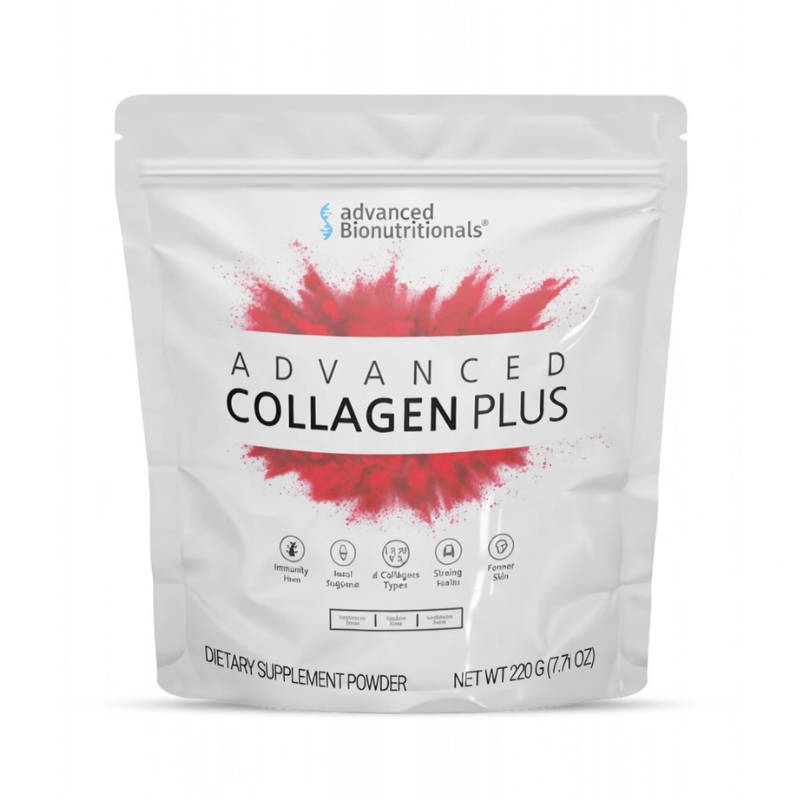
Advanced Collagen Plus is positioned as a dietary supplement developed to support collagen intake as part of a balanced nutritional routine. The formula is designed to provide collagen peptides along with complementary nutrients that may assist normal collagen-related processes in the body.
Rather than focusing on a single outcome, collagen supplements are generally intended to support multiple aspects of structural health, reflecting the widespread role collagen plays across tissues such as skin, joints, bones, and connective tissues.
How Advanced Collagen Plus Is Positioned
Advanced Collagen Plus is not marketed as a medical treatment or corrective solution. Instead, it is positioned as a nutritional support formula, intended to work alongside:
- Adequate dietary protein intake
- Healthy lifestyle habits
- Normal physiological aging processes
This positioning aligns collagen supplementation with long-term wellness support rather than short-term or symptom-driven use.
Foundational Support Rather Than Targeted Treatment
Collagen supplements do not act on specific organs or tissues in isolation. Once consumed, collagen peptides are broken down into amino acids that the body distributes according to its needs.
For this reason, Advanced Collagen Plus is best understood as providing foundational building blocks, rather than delivering targeted or guaranteed effects to areas such as skin or joints.
This distinction is essential for setting appropriate expectations and avoiding misleading interpretations of what collagen supplementation can achieve.
How Collagen Functions in the Body
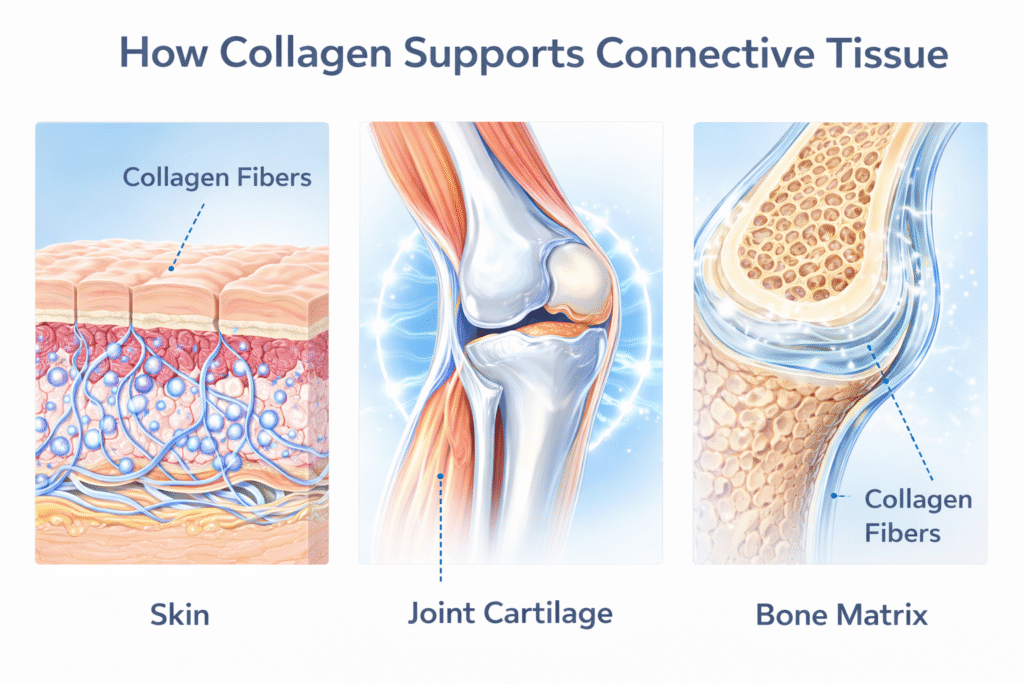
Collagen plays a central role in maintaining the structure and mechanical strength of many tissues throughout the body. It acts as a structural scaffold, helping tissues maintain shape, resilience, and resistance to everyday physical stress.
Understanding how collagen functions biologically helps clarify why collagen supplementation is positioned as long-term nutritional support rather than an immediate or targeted intervention.
Collagen as a Structural Protein
Unlike enzymes or hormones that trigger specific biological signals, collagen functions primarily as a structural protein. It forms strong fibers that provide tensile strength while allowing flexibility in tissues such as skin, tendons, ligaments, and cartilage.
This structural role explains why collagen is involved in:
- Maintaining skin firmness and elasticity
- Supporting joint and connective tissue resilience
- Contributing to bone matrix integrity
Because collagen works at a structural level, changes related to collagen availability occur gradually rather than acutely.
Natural Changes in Collagen Production Over Time
The body’s ability to synthesize collagen naturally declines with age. This reduction is influenced by several factors, including:
- Natural aging processes
- Nutritional status and protein intake
- Physical stress and activity levels
- Environmental exposure, such as UV radiation
These changes are part of normal physiology and vary widely between individuals. Collagen supplementation is designed to support the body during this gradual decline, not to stop or reverse it.
Why Collagen Support Is Often Considered
As collagen production becomes less efficient, some individuals choose to explore collagen supplementation as a way to support ongoing tissue maintenance. This interest often arises in the context of:
- Long-term joint comfort
- Skin aging awareness
- Physically active or demanding lifestyles
Collagen support is therefore best viewed as one component of a broader wellness strategy that includes nutrition, movement, and healthy lifestyle habits.
How Advanced Collagen Plus Is Designed to Work
Advanced Collagen Plus is formulated to provide collagen in a form that can be efficiently incorporated into the body’s normal digestive and metabolic processes. Like other collagen supplements, its design is based on how the body digests, absorbs, and repurposes dietary proteins.
Rather than delivering collagen directly to specific tissues, the formula supplies amino acids and peptides that the body may use as building blocks for collagen synthesis and general protein metabolism.
Hydrolyzed Collagen Peptides and Absorption
Most collagen supplements, including Advanced Collagen Plus, use hydrolyzed collagen peptides. These peptides are pre-broken into smaller chains of amino acids, which helps facilitate digestion and absorption.
Once consumed:
- Collagen peptides are broken down further in the digestive system
- Amino acids and small peptides enter the bloodstream
- The body allocates these nutrients based on physiological needs
This process reinforces why collagen supplementation does not produce immediate or localized effects.
The Role of Complementary Nutrients
In addition to collagen peptides, formulas like Advanced Collagen Plus often include complementary nutrients that may support normal collagen-related processes. These nutrients are not collagen themselves but may contribute to:
- Enzymatic activity involved in collagen synthesis
- Connective tissue metabolism
- Overall protein utilization
Their presence reflects a supportive, systems-based approach rather than a single-ingredient strategy.
Factors That Influence Individual Response
The way an individual responds to collagen supplementation can vary widely. Influencing factors include:
- Overall protein and nutrient intake
- Digestive efficiency
- Lifestyle habits such as physical activity and hydration
- Consistency of use over time
For this reason, collagen support is typically positioned as a gradual, cumulative process rather than a quick or guaranteed outcome.
Key Areas Collagen Support Is Designed to Help With
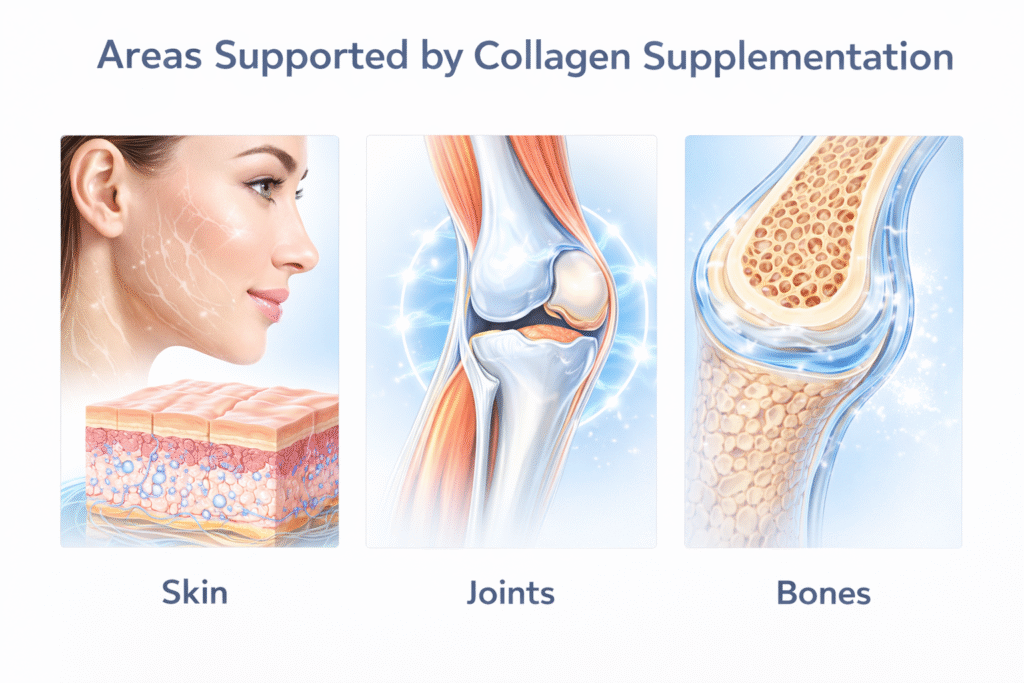
Because collagen is involved in the structure of multiple tissues throughout the body, collagen supplementation is commonly associated with several areas of structural health. These associations are based on collagen’s biological role, not on guaranteed outcomes from supplementation.
Understanding these areas helps frame collagen support as part of a long-term, whole-body approach rather than a targeted solution.
Skin Structure and Elasticity
Collagen is a major component of the skin’s structural framework. It helps provide firmness, elasticity, and resilience, working alongside other proteins and lipids that maintain skin integrity.
As natural collagen production declines with age, some individuals choose to support collagen intake as part of a broader skin care strategy that also includes hydration, sun protection, and balanced nutrition.
Collagen supplementation is designed to support normal skin structure, not to alter appearance rapidly or dramatically.
Joint and Connective Tissue Support
Connective tissues such as cartilage, tendons, and ligaments rely heavily on collagen for strength and flexibility. These tissues help support joint movement and absorb mechanical stress during daily activities.
Collagen support is often explored by individuals with physically active lifestyles or those seeking to maintain joint comfort over time. Its role is supportive and cumulative, contributing to connective tissue maintenance rather than addressing acute discomfort.
Bone and Structural Integrity
Collagen forms an important part of the bone matrix, providing a framework that supports mineral deposition. While minerals like calcium and phosphorus receive much of the attention in bone health discussions, collagen also contributes to overall skeletal structure.
For this reason, collagen support is sometimes viewed as complementary to broader bone health strategies, particularly when combined with adequate nutrient intake and weight-bearing activity.
Who May Consider Using Advanced Collagen Plus
Collagen supplementation is not intended for everyone, nor is it a universal requirement. Its suitability depends on individual dietary patterns, lifestyle factors, and overall wellness goals.
Understanding who may consider collagen support — and equally, who should approach it with caution — helps ensure responsible and informed use.
Adults Focused on Long-Term Structural Health
Adults who are mindful of maintaining skin integrity, joint comfort, and connective tissue resilience as part of healthy aging may consider collagen supplementation as a supportive nutritional option.
This interest is typically proactive rather than reactive, focusing on long-term maintenance rather than addressing specific symptoms or conditions.
Individuals With Physically Demanding Lifestyles
People who engage in regular physical activity, strength training, or physically demanding occupations may place greater mechanical stress on joints and connective tissues.
In these contexts, collagen support may be explored as part of a broader nutritional strategy that includes adequate protein intake, recovery practices, and overall diet quality.
Those With Limited Dietary Collagen Intake
Some individuals may consume limited amounts of collagen-rich foods due to dietary preferences or restrictions. In such cases, collagen supplementation may serve as a convenient way to complement overall protein and amino acid intake.
However, supplementation is not a substitute for balanced nutrition and should be considered within the context of total dietary patterns.
Safety Considerations and Responsible Use
Collagen supplements are generally considered safe for most healthy adults when used according to label directions. However, like any dietary supplement, individual tolerance and suitability can vary.
Responsible use begins with understanding that collagen supplements are intended to support normal nutrition — not to replace medical care or address health conditions.
General Safety Profile
Collagen is a protein naturally present in the body and in many foods. When consumed in supplemental form, it is typically well tolerated.
That said, individuals should:
- Review ingredient sources carefully, especially if they have food sensitivities or allergies
- Follow the manufacturer’s recommended serving size
- Avoid combining multiple collagen products without professional guidance
Who Should Use Caution or Seek Professional Guidance
Certain individuals should consult a healthcare professional before using collagen supplements, including:
- Those with chronic medical conditions
- Individuals taking prescription medications
- Pregnant or nursing women
- People with known allergies to animal-derived ingredients
This step helps ensure supplementation aligns safely with individual health circumstances.
Understanding Limitations and Avoiding Overuse
More is not always better when it comes to supplementation. Excessive intake does not guarantee better results and may increase the likelihood of digestive discomfort in some individuals.
Collagen supplementation is most effective when used consistently and responsibly, as part of a balanced nutritional and lifestyle approach.
How This Article Fits Within the Advanced Collagen Plus Content Cluster
This pillar article is designed to provide a comprehensive, high-level overview of Advanced Collagen Plus and collagen support in general. Its purpose is to establish foundational understanding, context, and expectations related to collagen supplementation.
Rather than focusing on a single aspect of the product, this guide brings together biological context, nutritional positioning, suitability considerations, and safety principles in one central resource.
Role of the Pillar Article
As a pillar, this article serves as the central reference point for readers seeking to understand Advanced Collagen Plus in a responsible and educational manner. It introduces core concepts and frames collagen supplementation within a broader wellness perspective.
Supporting satellite articles expand on specific topics in greater depth, allowing readers to explore individual areas of interest without losing overall context.
How Supporting Articles Complement This Guide
Satellite content is designed to address focused questions such as:
- How collagen supplementation works biologically
- Ingredient composition and formulation details
- Areas of support collagen is commonly associated with
- Usage guidance and safety considerations
- Who may or may not consider collagen support
Together, the pillar and its supporting articles form a structured, trustworthy content ecosystem that supports informed decision-making.
[logo-showcase id=”321″ title=”Advanced BioNutritionals”]
Frequently Asked Questions About Advanced Collagen Plus
What is Advanced Collagen Plus designed to support?
Advanced Collagen Plus is designed to support normal collagen intake as part of a balanced nutritional routine. Its purpose is to provide collagen peptides and complementary nutrients that may assist the body’s natural collagen-related processes. It is not intended to treat or prevent health conditions.
How long does it take to notice effects from collagen supplementation?
Collagen supplementation works gradually and varies between individuals. Any perceived changes are typically subtle and depend on factors such as consistency of use, overall diet, protein intake, hydration, and lifestyle habits. Collagen supplements are not designed to produce immediate results.
Can Advanced Collagen Plus replace dietary protein or collagen-rich foods?
No. Advanced Collagen Plus is intended to complement a balanced diet, not replace whole food protein sources or collagen-rich foods. Adequate nutrition from a variety of food sources remains essential for overall health.
Is Advanced Collagen Plus suitable for everyone?
Collagen supplements are generally intended for healthy adults. Individuals with medical conditions, those taking medications, pregnant or nursing women, or people with allergies should consult a healthcare professional before using any collagen supplement.
Are there side effects associated with collagen supplements?
Most people tolerate collagen supplements well when used as directed. However, some individuals may experience mild digestive discomfort. Following recommended serving sizes and using the product consistently rather than excessively helps reduce this risk.
Medical Disclaimer
This content is provided for informational purposes only and does not constitute medical advice. Dietary supplements are not intended to diagnose, treat, cure, or prevent any disease. Always consult a qualified healthcare professional before starting any supplement, especially if you have a medical condition, are pregnant or nursing, or are taking medications.