
Maintaining long-term health and vitality involves many interconnected biological processes, including cellular protection, metabolic balance, antioxidant defenses, and efficient energy production. As interest in healthy aging continues to grow, many individuals explore nutritional strategies that may support these foundational systems of the body.
One approach gaining attention is the use of comprehensive plant-based nutritional formulas designed to deliver a wide range of phytonutrients, antioxidants, and longevity-focused compounds in a convenient daily drink.
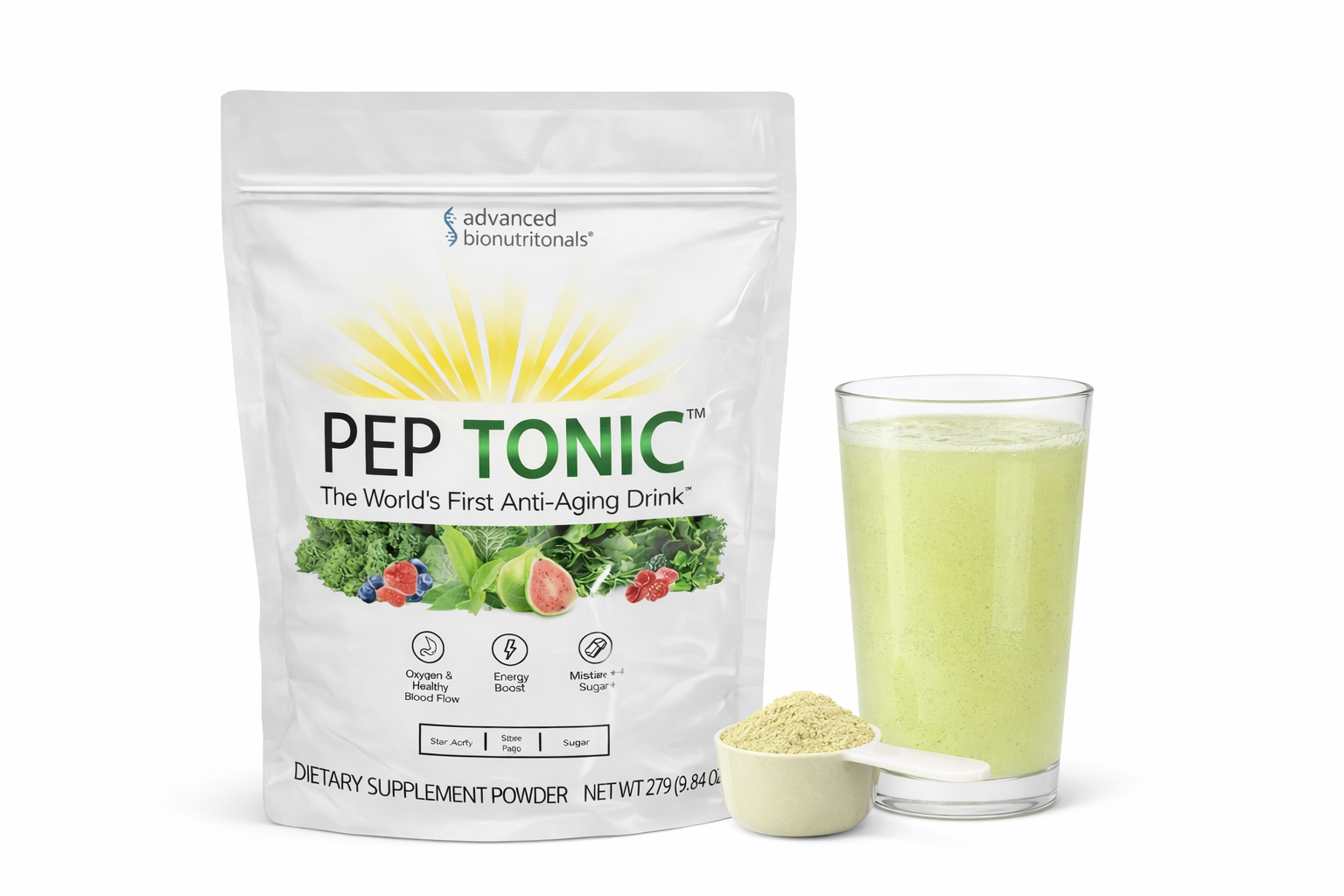
Pep Tonic is a powdered nutritional supplement developed by Advanced Bionutritionals and formulated to be mixed with water as a daily longevity beverage. The formula combines a broad spectrum of fruits, vegetables, herbs, and specialized longevity compounds intended to support cellular health, antioxidant protection, metabolic efficiency, and overall vitality.
If you want to explore the official information about Pep Tonic, including ingredient details and current availability, you can visit the manufacturer’s page below.
This Pep Tonic review examines the supplement in detail, including how Pep Tonic works in the body, the ingredients used in the formula, the benefits it is designed to support, safety considerations, recommended dosage, and whether it may be worth considering as part of a long-term wellness strategy.
Rather than focusing on marketing claims alone, the goal of this guide is to provide a balanced, educational overview so readers can better understand how longevity-focused nutritional formulas like Pep Tonic are positioned within the broader category of healthy aging supplements.
What Is Pep Tonic?
Pep Tonic is a plant-based powdered nutritional formula designed to support healthy aging and cellular wellness. Unlike traditional supplements that provide only a small number of isolated nutrients, Pep Tonic is formulated as a comprehensive daily drink that delivers a wide spectrum of plant compounds, antioxidants, and longevity-associated ingredients.
The supplement is produced by Advanced Bionutritionals, a company known for developing nutritional products focused on aging support, cardiovascular health, and metabolic wellness.
Pep Tonic is typically mixed with water to create a drinkable beverage that can be consumed daily as part of a broader wellness routine.

Its formulation includes a blend of fruits, vegetables, herbs, and specialty compounds that are commonly studied for their potential roles in supporting antioxidant defenses, cellular resilience, and metabolic balance.
Because aging is influenced by many biological factors — including oxidative stress, inflammation, mitochondrial efficiency, and cellular repair mechanisms — nutritional approaches that provide diverse plant-based compounds are often explored as a complementary strategy for maintaining long-term health.
Pep Tonic at a Glance
Supplement Type
Longevity-focused nutritional drink powder
Format
Powdered formula designed to be mixed with water
Manufacturer
Advanced Bionutritionals
Primary Focus
Cellular health, antioxidant support, metabolic wellness, and healthy aging support
Key Ingredient Highlights
Quercetin, Ergothioneine, Puremidine® (spermidine), fiber, coconut water, and a blend of more than 50 plant-based ingredients
Intended Use
Daily nutritional drink designed to support long-term wellness and vitality
Why Longevity Nutrition Has Become a Major Focus
Modern research into aging increasingly focuses on the biological processes that influence how cells function over time. These processes include oxidative stress, cellular energy production, mitochondrial efficiency, inflammatory signaling, and the body’s natural ability to repair and maintain tissues.
Many nutritional compounds found in fruits, vegetables, herbs, and polyphenol-rich plants have been studied for their potential role in supporting these systems. As a result, longevity-oriented nutrition often emphasizes diverse plant compounds that provide antioxidant protection and support normal cellular processes.
Rather than targeting a single pathway, many modern longevity formulas combine multiple plant-derived compounds in order to support several biological systems simultaneously.
Pep Tonic is positioned within this category of comprehensive nutritional formulas, aiming to deliver a broad spectrum of plant nutrients in a convenient daily beverage.
How This Review Will Help You Evaluate Pep Tonic
When evaluating any dietary supplement, it is important to look beyond surface-level marketing claims and understand how dietary supplements are generally evaluated in health research.
This review explores Pep Tonic through several key factors that can help readers better understand how the supplement is positioned and what realistic expectations may look like.
Areas Covered in This Review
• How Pep Tonic works in the body
• The ingredients included in the formula
• The benefits the product is designed to support
• Safety considerations and possible side effects
• Recommended dosage and how the supplement is typically used
• Whether the available information suggests Pep Tonic may be worth considering
Each of these topics is explored in detail throughout this guide so readers can make a more informed decision based on clear and balanced information.
How Does Pep Tonic Work?
Understanding how Pep Tonic works begins with understanding how the body’s aging process is influenced by several interconnected biological systems. Cellular health, oxidative balance, metabolic efficiency, and nutrient availability all play important roles in maintaining long-term vitality.
As the body ages, natural biological changes may affect how efficiently cells produce energy, repair damage, and defend themselves against oxidative stress. These processes are influenced by many factors, including diet, lifestyle, environmental exposures, and the availability of protective nutrients.
Pep Tonic is formulated with a diverse combination of plant-derived compounds and longevity-associated ingredients intended to support these foundational biological systems.
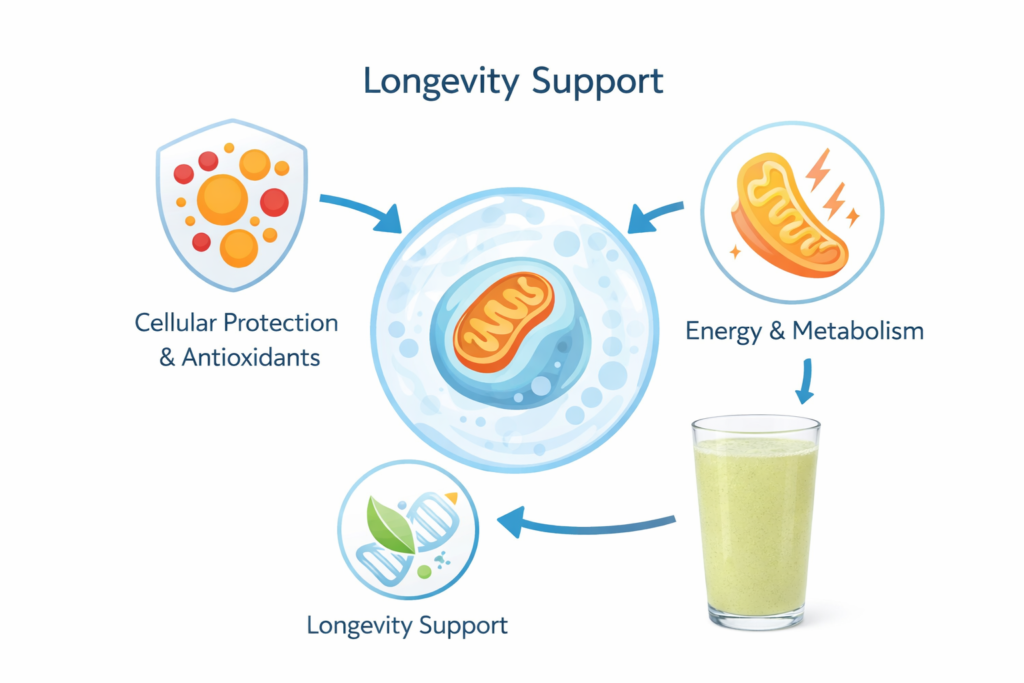
Rather than targeting a single pathway, the formula aims to provide a broad nutritional profile that may help support multiple aspects of cellular health and metabolic balance.
Many of the ingredients included in the formula are commonly studied for their potential roles in antioxidant protection, cellular resilience, and maintaining healthy metabolic function.
Supporting Cellular Protection and Antioxidant Defense
One of the key concepts behind longevity-focused nutrition is protecting cells from excessive oxidative stress.
Oxidative stress occurs when reactive molecules known as free radicals accumulate faster than the body’s natural antioxidant systems can neutralize them, a process widely discussed in scientific explanations of antioxidant activity. Over time, this imbalance may contribute to cellular wear and tear, which researchers often associate with aspects of the aging process.
Many plant-based nutrients — particularly polyphenols and antioxidant compounds — are studied for their potential ability to help support the body’s natural antioxidant defenses.
Pep Tonic includes a wide variety of plant-derived ingredients that are naturally rich in antioxidant compounds. These nutrients may help support the body’s ability to maintain oxidative balance and protect cells from everyday metabolic stress.
Supporting Cellular Renewal and Longevity Pathways
Another area of growing interest in longevity science involves the body’s ability to maintain healthy cellular renewal processes.
Cells constantly undergo cycles of repair, recycling, and regeneration. Certain biological pathways associated with cellular maintenance — including those involved in protein recycling and metabolic regulation — have been widely studied in the context of healthy aging.
Some ingredients included in Pep Tonic are associated with compounds studied for their potential role in supporting these natural cellular maintenance pathways. For example, compounds such as spermidine have attracted attention in longevity research due to their association with processes related to cellular renewal and metabolic balance.
While nutritional supplements cannot stop the aging process, many researchers continue to explore how certain nutrients may help support the body’s normal cellular maintenance systems over time.
Providing Broad-Spectrum Plant Nutrition
Another important aspect of Pep Tonic’s formulation is the diversity of plant-based ingredients included in the blend.
The formula contains a large variety of fruits, vegetables, herbs, and botanical compounds that contribute naturally occurring vitamins, minerals, polyphenols, and phytonutrients. These plant-derived compounds often work together in complex ways within the body, which is one reason many nutritional strategies emphasize whole-food–based ingredients rather than isolated compounds alone.
By combining dozens of plant ingredients into a single drinkable formula, Pep Tonic aims to provide a convenient way to incorporate a wide spectrum of plant nutrients into a daily routine.
This broad nutritional approach is one of the reasons plant-based longevity formulas have gained increasing attention among individuals interested in supporting long-term wellness.
The Role of Key Longevity Ingredients
Beyond the broad plant blend, Pep Tonic also includes several compounds that have received attention in longevity and cellular health research.
Some of the most notable ingredients highlighted in the formula include compounds such as quercetin, ergothioneine, and spermidine. These nutrients are frequently discussed in scientific literature exploring oxidative balance, metabolic function, and cellular resilience.
Each of these ingredients contributes different properties to the overall formula, which is why they are often studied as part of broader nutritional strategies related to healthy aging.
Readers who want to explore these ingredients in greater detail can learn more in our complete Pep Tonic ingredients breakdown.
Pep Tonic Ingredients: What Is Inside the Formula?
One of the most important factors to consider when evaluating any nutritional supplement is the quality and composition of its ingredients. The types of compounds included in a formula often determine how the product is positioned and what biological processes it may be intended to support.
Pep Tonic is formulated as a broad-spectrum plant-based nutritional drink that combines a wide variety of fruits, vegetables, herbs, and specialized longevity-associated compounds. Rather than focusing on a small number of isolated nutrients, the formula is designed to provide a diverse profile of phytonutrients, antioxidants, and plant-derived compounds that contribute to cellular and metabolic health.
According to the manufacturer, the formula contains more than fifty plant-based ingredients that contribute naturally occurring vitamins, minerals, polyphenols, and other phytonutrients commonly studied in the context of healthy aging and cellular protection.
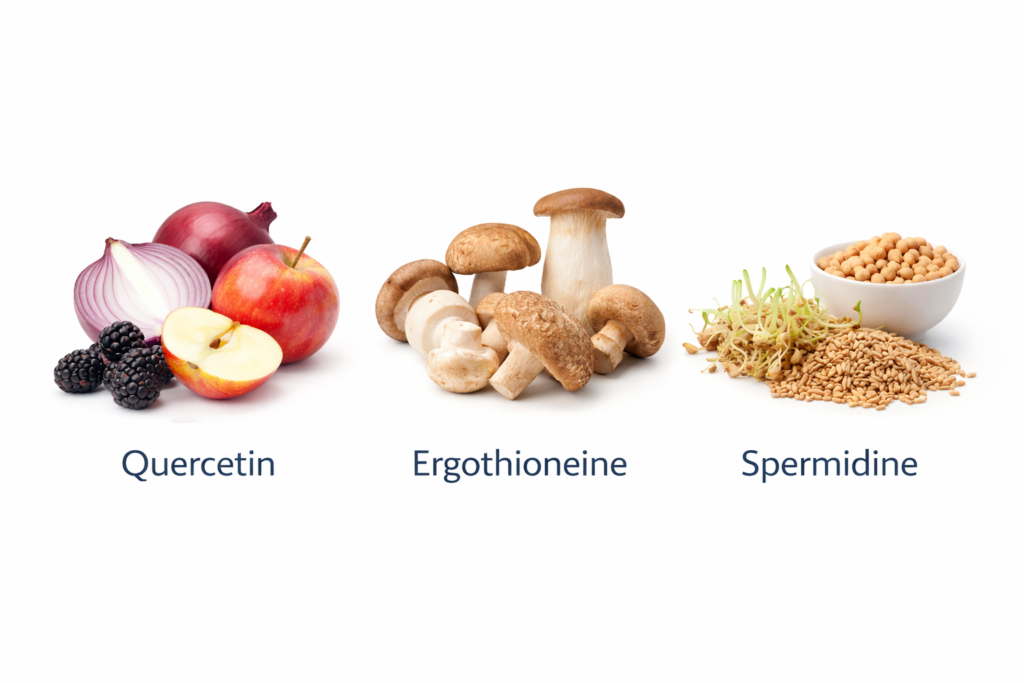
While the exact amounts of each ingredient may vary within the proprietary blend, several key compounds are highlighted due to their growing presence in longevity-focused nutritional research.
Quercetin
Quercetin is a plant-derived flavonoid found naturally in many fruits and vegetables, including onions, apples, and berries. It is widely studied for its antioxidant properties and its potential role in supporting cellular protection against oxidative stress.
Researchers have explored quercetin in relation to several biological processes associated with metabolic health and immune function. Because oxidative stress is often discussed in the context of aging-related cellular changes, antioxidant compounds like quercetin are frequently included in longevity-oriented nutritional formulations.
Within Pep Tonic, quercetin contributes to the overall antioxidant profile of the formula and may help support the body’s natural defense systems against oxidative stress.
Ergothioneine
Ergothioneine is a naturally occurring amino acid–derived compound found in certain foods, particularly mushrooms. In recent years, it has gained attention among researchers studying cellular protection and oxidative balance.
Unlike many antioxidants that the body must produce internally, ergothioneine is obtained through diet and transported into cells through specialized transport systems. This characteristic has led researchers to explore its potential role in supporting cellular resilience and maintaining healthy biological function.
Because of its unique properties and emerging research interest, ergothioneine has become increasingly common in supplements designed to support long-term cellular health.
Puremidine® (Spermidine)
Spermidine is a naturally occurring compound present in many foods, including wheat germ, legumes, and certain vegetables. It has received significant attention in longevity research due to its association with cellular maintenance pathways involved in protein recycling and metabolic regulation.
Scientific studies investigating spermidine often focus on its relationship with biological processes linked to cellular renewal and metabolic balance. As a result, spermidine has become a key ingredient in many supplements designed to support healthy aging.
Pep Tonic includes Puremidine®, a branded form of spermidine, as part of its longevity-focused ingredient profile.
Plant-Based Nutrient Blend
In addition to these highlighted compounds, Pep Tonic includes a large blend of plant-based ingredients derived from fruits, vegetables, herbs, and spices.
These plant ingredients contribute a wide spectrum of naturally occurring nutrients, including polyphenols, flavonoids, vitamins, minerals, and dietary fiber. Plant compounds often work together in complex ways within the body, which is one reason many nutritional strategies emphasize diverse whole-food–based ingredients rather than isolated compounds alone.
By combining a broad variety of plant sources into a single drinkable formula, Pep Tonic aims to provide a convenient way to incorporate plant-based nutrition into a daily routine.
Why Ingredient Diversity Matters in Longevity Nutrition
Longevity research increasingly highlights the importance of nutritional diversity in supporting the body’s natural biological systems.
Rather than relying on a single nutrient to produce a specific effect, many modern nutritional approaches focus on providing a wide spectrum of plant compounds that may support multiple physiological processes simultaneously.
This concept is sometimes referred to as nutritional synergy — the idea that combinations of plant nutrients may work together to support metabolic balance, antioxidant defenses, and overall cellular health.
Pep Tonic’s formulation reflects this approach by combining a diverse range of plant ingredients with several compounds that have attracted attention in the field of healthy aging research.
Pep Tonic Benefits: What Is the Formula Designed to Support?
When evaluating any nutritional supplement, it is important to understand that products are typically formulated to support specific physiological systems rather than produce immediate or dramatic effects. Most wellness-oriented supplements are designed to complement healthy lifestyle habits by providing nutrients that support the body’s natural biological processes.
Pep Tonic is positioned as a longevity-focused nutritional drink intended to support several aspects of overall wellness, including the potential Pep Tonic benefits related to antioxidant support and cellular health.
Individuals interested in learning more about the formula, ingredient sourcing, and product availability can visit the official Pep Tonic page for additional details.
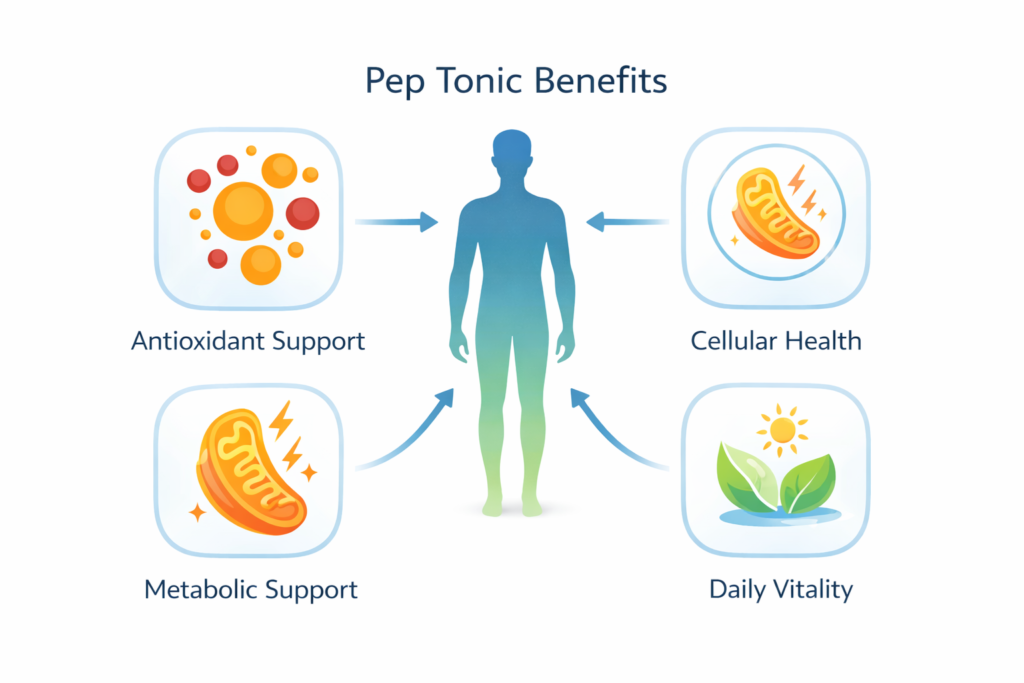
Because the formula contains a wide spectrum of plant-based nutrients and longevity-associated compounds, it is designed to contribute to multiple areas of cellular and metabolic health.
Below are some of the key areas the formula is intended to support based on the ingredients included in the blend.
Antioxidant Protection and Cellular Health
One of the most prominent aspects of the Pep Tonic formulation is its focus on antioxidant-rich plant compounds.
Many of the fruits, vegetables, and botanical ingredients included in the formula naturally contain polyphenols and flavonoids, which are widely studied for their antioxidant properties. These compounds may help support the body’s ability to neutralize free radicals and maintain healthy oxidative balance.
Maintaining antioxidant balance is considered an important factor in protecting cellular structures from everyday metabolic stress and environmental exposures.
Support for Healthy Aging Processes
Several ingredients included in Pep Tonic have been discussed in scientific literature related to biological processes associated with healthy aging.
Compounds such as spermidine, quercetin, and ergothioneine are often studied in the context of cellular maintenance, metabolic regulation, and resilience against oxidative stress. While nutritional supplements cannot stop or reverse aging, many researchers explore how certain nutrients may support the body’s natural systems that help maintain cellular function over time.
By combining multiple ingredients associated with longevity research, Pep Tonic aims to support biological pathways linked to long-term health and vitality.
Energy and Metabolic Support
Cellular energy production is closely tied to overall metabolic health. The body relies on efficient mitochondrial function and balanced nutrient availability to generate the energy required for daily physical and cognitive activities.
The diverse blend of plant-derived nutrients in Pep Tonic contributes vitamins, minerals, and phytonutrients that may support normal metabolic processes. While the formula is not designed to function as a stimulant, its nutrient profile is intended to complement the body’s natural energy production systems.
Many individuals interested in longevity nutrition seek formulas that support metabolic efficiency and sustained vitality rather than short-term stimulation.
Plant-Based Nutritional Support
Another potential benefit of Pep Tonic lies in the broad diversity of plant nutrients included in the formula.
Modern dietary patterns sometimes make it challenging to consistently consume a wide variety of fruits and vegetables. Plant-based nutritional blends can help complement the diet by providing additional phytonutrients and antioxidants derived from plant sources.
The inclusion of more than fifty plant-based ingredients allows Pep Tonic to contribute a wide spectrum of nutrients that support general nutritional balance.
Daily Wellness and Vitality
Because Pep Tonic is formulated as a drinkable powder designed for daily use, it is intended to be incorporated into a consistent wellness routine.
Rather than focusing on short-term outcomes, longevity-oriented formulas are typically designed to support long-term biological health through regular nutritional support.
For individuals interested in supporting cellular health, antioxidant balance, and overall vitality as part of a broader wellness strategy, plant-based nutritional drinks like Pep Tonic represent one approach that some people choose to incorporate into their daily habits.
Pep Tonic Dosage: How to Take It Correctly
Understanding the correct Pep Tonic dosage and how to take it properly is an important part of evaluating whether it may fit into a daily wellness routine. Proper dosage helps ensure that the ingredients are consumed in the manner intended by the manufacturer and allows users to incorporate the product consistently as part of their nutritional habits.
Pep Tonic is formulated as a powdered drink supplement designed to be mixed with water and consumed as part of a daily routine. Unlike capsule-based supplements, the formula is intended to be prepared as a beverage, allowing the blend of plant nutrients and longevity-associated compounds to be consumed in a convenient drink format.
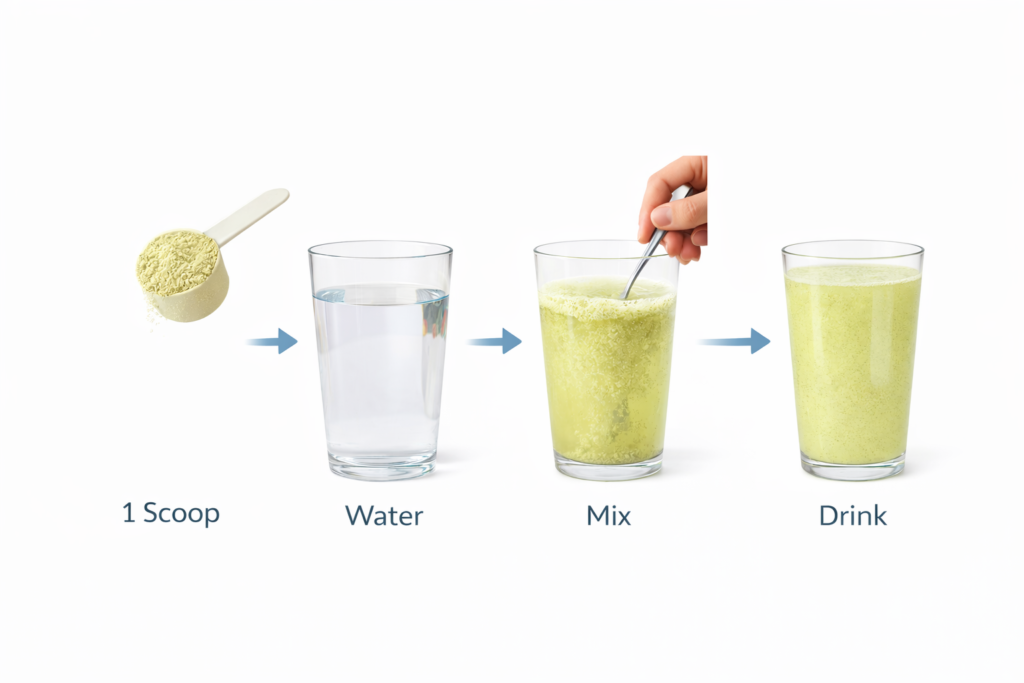
According to the manufacturer’s instructions, Pep Tonic is typically taken once per day by mixing one scoop of the powder with water.
Standard Daily Serving
The typical recommended serving involves mixing one scoop of Pep Tonic powder with a glass of water and consuming it as a beverage.
Because the supplement is formulated as a nutritional drink, it is generally designed to be consumed as part of a daily routine rather than taken in multiple smaller doses throughout the day. Many individuals choose to incorporate longevity-focused nutritional drinks into their morning wellness habits.
Consistency is often emphasized with plant-based nutritional supplements, as regular intake allows the body to receive ongoing nutritional support over time.
When to Take Pep Tonic
Pep Tonic can generally be taken at any convenient time of the day. Many people prefer to consume nutritional drink powders in the morning as part of their daily routine, while others may choose to take them later in the day depending on personal preference.
Because the formula contains plant-derived nutrients and antioxidants rather than stimulant compounds, it is typically intended to support general nutritional balance rather than provide immediate energy stimulation.
As with most nutritional supplements, establishing a consistent routine may help individuals integrate the product more easily into their daily habits.
Mixing Instructions
Preparing Pep Tonic is relatively simple and follows the typical preparation method used for powdered nutritional drinks.
The powder is mixed with water and stirred or shaken until fully dissolved. Some individuals may prefer using a shaker bottle or blender to achieve a smoother consistency.
Because taste preferences can vary, users sometimes adjust the amount of water used to achieve their preferred flavor strength.
Consistency and Long-Term Use
Nutritional supplements designed for longevity support are generally intended for consistent, long-term use rather than short-term results.
Plant-based nutritional formulas provide compounds that support normal biological processes over time, which is why many wellness-focused supplements emphasize daily intake as part of an overall healthy lifestyle.
As with any supplement, individuals considering Pep Tonic should follow the manufacturer’s instructions and consult a qualified healthcare professional if they have specific medical concerns or questions about whether the product may be appropriate for their personal health situation.
Pep Tonic Side Effects and Safety Considerations
When considering any dietary supplement, understanding possible Pep Tonic side effects and safety considerations is an important factor to evaluate alongside ingredients, benefits, and intended use. Even supplements formulated with plant-based ingredients should be used responsibly and with an understanding of how they may interact with individual health conditions or medications.
Pep Tonic is formulated primarily with plant-derived nutrients, botanical compounds, and naturally occurring antioxidants commonly found in foods such as fruits, vegetables, herbs, and mushrooms. Because many of these ingredients are derived from natural food sources, they are generally well tolerated when consumed in appropriate amounts.
However, as with any nutritional supplement, individual responses may vary depending on personal health conditions, sensitivities, or existing medical treatments.
Potential Mild Digestive Adjustment
When beginning a new nutritional supplement that contains plant fibers, phytonutrients, and botanical compounds, some individuals may experience mild digestive adjustment as the body adapts to the new ingredients.
These adjustments may include temporary sensations such as mild bloating or digestive changes during the initial period of use. Such effects are often temporary and may resolve as the body becomes accustomed to the formula.
Maintaining adequate hydration and following the recommended serving instructions may help support a smoother transition when introducing any new plant-based supplement into a routine.
Sensitivities to Botanical Ingredients
Because Pep Tonic contains a wide variety of plant-derived ingredients, individuals who are sensitive or allergic to certain botanical compounds should review the ingredient list carefully before use.
Although plant-based formulas are widely used in nutritional supplements, sensitivities can occur in some individuals depending on personal tolerance levels.
Anyone with known allergies to specific plants, herbs, or botanical ingredients should exercise caution and consult a healthcare professional if there is any uncertainty regarding suitability.
Considerations for Individuals With Medical Conditions
Individuals who have existing medical conditions, who are pregnant or breastfeeding, or who are currently taking prescription medications should consult a qualified healthcare professional before beginning any new dietary supplement.
This precaution is recommended not only for Pep Tonic but for most supplements, as certain ingredients may interact with medications or health conditions in ways that require professional guidance.
Healthcare providers can help determine whether a supplement may be appropriate based on individual medical history and current treatment plans.
Following Recommended Usage Guidelines
Using supplements according to the manufacturer’s recommended instructions is an important part of maintaining safety and effectiveness.
Pep Tonic is designed to be taken as a daily nutritional drink, typically prepared by mixing one scoop of the powder with water. Exceeding the suggested serving size is generally not recommended unless specifically advised by a qualified healthcare professional.
Responsible use, combined with a balanced diet and healthy lifestyle, helps ensure that nutritional supplements can be incorporated safely into a long-term wellness strategy.
Who Should Use Pep Tonic?
Not every dietary supplement is designed for the same type of user. Different formulas are typically created to support specific health goals or wellness priorities. Understanding who should use Pep Tonic and whether the formula fits your wellness goals can help readers determine whether it aligns with their personal health interests.
Pep Tonic is positioned as a longevity-focused nutritional drink designed for individuals interested in supporting long-term cellular health, antioxidant balance, and overall vitality through plant-based nutrition.
Because the formula contains a wide spectrum of plant-derived nutrients and longevity-associated compounds, it may appeal to individuals looking for a comprehensive nutritional approach to healthy aging and daily wellness support.
Below are some groups of individuals who may be particularly interested in formulas like Pep Tonic.
Adults Interested in Healthy Aging
Many individuals begin exploring longevity-focused nutrition as they become more interested in maintaining long-term health and vitality.
Compounds associated with antioxidant support, cellular maintenance, and metabolic balance are frequently studied in the context of healthy aging. For this reason, plant-based nutritional formulas that combine diverse phytonutrients and longevity-associated compounds often attract individuals who want to support their bodies as they age.
Pep Tonic is designed to provide a wide variety of these nutrients in a convenient daily drink format.
Individuals Seeking Plant-Based Nutritional Support
Some people find it challenging to consistently consume a wide variety of fruits, vegetables, and plant-based foods every day.
Nutritional drink powders that include diverse plant ingredients can help complement dietary intake by providing additional phytonutrients and antioxidants derived from botanical sources.
Because Pep Tonic includes a blend of more than fifty plant-based ingredients, it may appeal to individuals who want to incorporate additional plant nutrition into their routine.
People Interested in Longevity and Cellular Wellness
In recent years, the field of longevity science has gained significant attention as researchers continue to explore biological processes associated with aging and cellular health.
Compounds such as polyphenols, flavonoids, and certain naturally occurring longevity-associated molecules have become topics of growing scientific interest.
Individuals who follow developments in longevity research often seek nutritional strategies that may support cellular resilience, metabolic balance, and overall biological health over time.
Pep Tonic is formulated with several ingredients commonly discussed in this area of research.
Those Looking for a Daily Wellness Routine
Because Pep Tonic is designed to be mixed with water and consumed as a daily beverage, it can be easily incorporated into a regular wellness routine.
Many individuals prefer nutritional drink powders as part of their morning habits, as they provide a convenient way to introduce plant-based nutrients into the day.
Establishing consistent wellness habits — including balanced nutrition, physical activity, and appropriate supplementation — is often viewed as an important part of long-term health strategies.
Who Should Not Use Pep Tonic Without Medical Guidance
While plant-based supplements are widely used, certain individuals should seek professional medical guidance before beginning any new nutritional product.
This includes individuals who are pregnant or breastfeeding, those with existing medical conditions, or those currently taking prescription medications.
Consulting a healthcare professional can help determine whether a supplement is appropriate based on individual health circumstances and ensure that it can be used safely as part of a broader wellness approach.
Does Pep Tonic Work?
Determining whether Pep Tonic works requires looking at several different factors, including the ingredients used in the formula, the biological processes those ingredients are associated with, and how the product is intended to be used as part of a broader wellness strategy.
Pep Tonic is formulated around a combination of plant-based nutrients and longevity-associated compounds that are commonly discussed in research related to antioxidant protection, cellular health, and metabolic balance. Rather than focusing on short-term stimulation or rapid effects, the formula is designed to support biological systems that influence long-term wellness and vitality.
Many of the ingredients highlighted in the formula — including compounds such as quercetin, ergothioneine, and spermidine — have attracted attention in scientific studies exploring cellular resilience and metabolic processes related to healthy aging. While nutritional supplements cannot replace a balanced diet or medical treatment, these types of nutrients are often explored as part of broader strategies aimed at supporting overall physiological health.
Because Pep Tonic is formulated as a plant-based nutritional drink that combines dozens of ingredients into a single daily serving, its effectiveness is generally associated with consistent use as part of a healthy lifestyle that includes balanced nutrition, physical activity, and proper medical guidance when necessary.
What Results Should Users Expect?
It is important for individuals evaluating any supplement to maintain realistic expectations.
Longevity-oriented nutritional formulas are typically designed to support long-term biological processes rather than produce immediate or dramatic changes. As a result, the benefits associated with these types of supplements may depend on consistent use over time combined with healthy lifestyle habits.
Some individuals incorporate plant-based nutritional drinks like Pep Tonic into their routines as part of a broader effort to support energy balance, antioxidant intake, and daily nutritional diversity.
As with most wellness supplements, individual experiences may vary depending on factors such as diet, lifestyle, health status, and consistency of use.
Is Pep Tonic Worth Considering?
For individuals interested in plant-based nutritional formulas that emphasize antioxidant compounds, cellular health support, and longevity-focused ingredients, Pep Tonic represents one example of a comprehensive supplement designed to provide a wide range of phytonutrients in a convenient daily drink.
The formula combines several ingredients that have received growing attention in longevity research with a large blend of plant-derived nutrients sourced from fruits, vegetables, herbs, and botanical compounds.
People who are interested in supporting healthy aging, cellular wellness, and long-term vitality through plant-based nutrition may find this type of supplement appealing as part of their broader wellness strategy.
However, as with any supplement, Pep Tonic should be viewed as a complement to — not a replacement for — a healthy lifestyle that includes balanced nutrition, regular physical activity, adequate sleep, and appropriate medical care.
Final Thoughts on Pep Tonic
Pep Tonic is positioned as a longevity-focused nutritional drink designed to provide a diverse range of plant-derived nutrients and compounds associated with cellular health and antioxidant support.
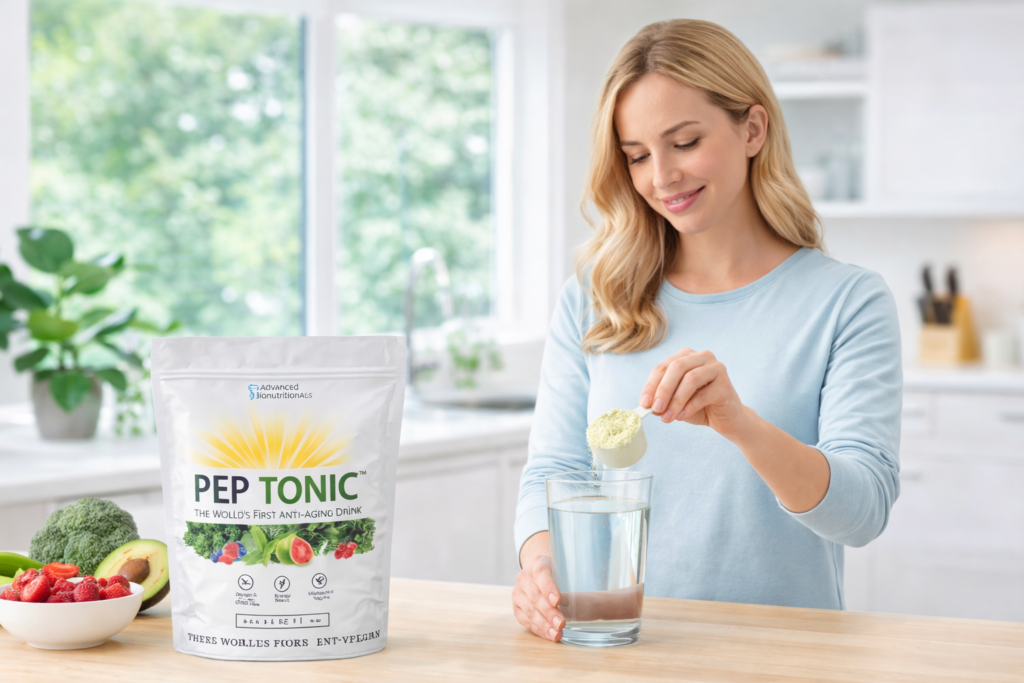
By combining more than fifty plant ingredients with several longevity-associated compounds such as quercetin, ergothioneine, and spermidine, the formula aims to support biological processes related to metabolic balance, cellular resilience, and overall wellness.
For individuals interested in exploring plant-based nutritional strategies that emphasize longevity and cellular health, Pep Tonic may represent one option among the many supplements available in the growing field of healthy aging nutrition.
Readers who want to review the complete product information, ingredient list, and availability can access the official Pep Tonic website using the link below.
As always, individuals considering any dietary supplement should review the ingredient list carefully and consult a qualified healthcare professional if they have specific medical questions or concerns.
Pep Tonic FAQ
What is Pep Tonic used for?
Pep Tonic is a plant-based nutritional drink designed to support cellular health, antioxidant balance, and overall wellness. The formula combines a wide range of plant-derived ingredients along with compounds commonly studied in longevity research, such as quercetin, ergothioneine, and spermidine.
Rather than targeting a single function, the supplement is intended to support several biological processes related to healthy aging and metabolic balance.
How do you take Pep Tonic?
Pep Tonic is formulated as a powdered supplement that is mixed with water to create a drinkable beverage. The typical serving involves mixing one scoop of the powder with a glass of water and consuming it as part of a daily routine.
Because the formula is designed as a nutritional drink rather than a capsule supplement, it can be easily incorporated into a morning wellness routine or taken at another convenient time of day.
Is Pep Tonic a greens powder?
Pep Tonic can be considered similar to a greens-style nutritional drink because it contains a wide variety of plant-based ingredients derived from fruits, vegetables, herbs, and botanical sources.
However, the formula also includes several compounds commonly associated with longevity and cellular health research, which positions it within the broader category of healthy aging nutritional supplements.
How long does Pep Tonic take to work?
Nutritional supplements designed to support long-term wellness typically require consistent use over time. Because Pep Tonic focuses on supporting cellular health, antioxidant balance, and metabolic processes, it is intended to complement a long-term wellness strategy rather than produce immediate effects.
Individual experiences may vary depending on factors such as lifestyle, diet, and overall health.
Is Pep Tonic safe to use daily?
Pep Tonic is formulated with plant-based nutrients and compounds commonly found in foods such as fruits, vegetables, and herbs. When used according to the manufacturer’s instructions, these types of supplements are generally designed to be incorporated into daily wellness routines.
However, individuals with medical conditions, those who are pregnant or breastfeeding, or those taking medications should consult a healthcare professional before starting any new supplement.
About NutraMarke and Longevity Education
NutraMarke is an educational resource dedicated to helping readers better understand dietary supplements and wellness products through clear, balanced, and research-informed content.
Rather than promoting quick fixes or exaggerated claims, NutraMarke focuses on explaining how nutritional ingredients, plant compounds, and wellness strategies may support the body’s natural biological processes.
Our editorial approach emphasizes transparency, scientific context, and responsible evaluation of supplements so readers can make more informed decisions about their health.
Articles published on NutraMarke aim to explore topics such as:
- nutritional ingredients and their biological roles
- plant-based compounds studied in health research
- realistic expectations when evaluating supplements
- safety considerations and responsible use
By combining educational research with accessible explanations, NutraMarke seeks to help readers navigate the growing field of nutritional supplements with greater confidence and understanding.
Medical Disclaimer
The information provided in this article is intended for educational and informational purposes only and should not be considered medical advice.
Dietary supplements are not intended to diagnose, treat, cure, or prevent any disease. The statements regarding supplements discussed in this article have not been evaluated by the Food and Drug Administration (FDA).
Individuals should consult a qualified healthcare professional before beginning any new dietary supplement, especially if they have existing medical conditions, are pregnant or breastfeeding, or are currently taking prescription medications.
Always follow the manufacturer’s instructions and use supplements responsibly as part of a balanced diet and healthy lifestyle.
Scientific & Educational References
The following scientific and educational resources provide additional context on topics discussed in this article, including antioxidant biology, cellular health, longevity-related nutrients, and plant-based nutrition.
These sources are intended to help readers explore the broader scientific background related to dietary supplements and nutritional compounds.
Oxidative Stress and Antioxidant Function
National Center for Complementary and Integrative Health (NCCIH)
https://www.nccih.nih.gov/health/antioxidants-in-depth
Dietary Supplements: What You Need to Know
National Institutes of Health (NIH) Office of Dietary Supplements
https://ods.od.nih.gov/factsheets/WYNTK-Consumer/
Polyphenols and Their Role in Human Health
National Library of Medicine – PubMed Central
https://www.ncbi.nlm.nih.gov/pmc/articles/PMC2835915/
Ergothioneine and Cellular Protection Research
National Library of Medicine – PubMed
https://pubmed.ncbi.nlm.nih.gov/27462372/
Spermidine and Cellular Maintenance Pathways
National Library of Medicine – PubMed Central
https://www.ncbi.nlm.nih.gov/pmc/articles/PMC6128428/
Quercetin and Antioxidant Activity
National Library of Medicine – PubMed Central
https://www.ncbi.nlm.nih.gov/pmc/articles/PMC4808895/
Plant-Based Diets and Health
Harvard T.H. Chan School of Public Health
https://www.hsph.harvard.edu/nutritionsource/what-should-you-eat/plant-based-diet/