
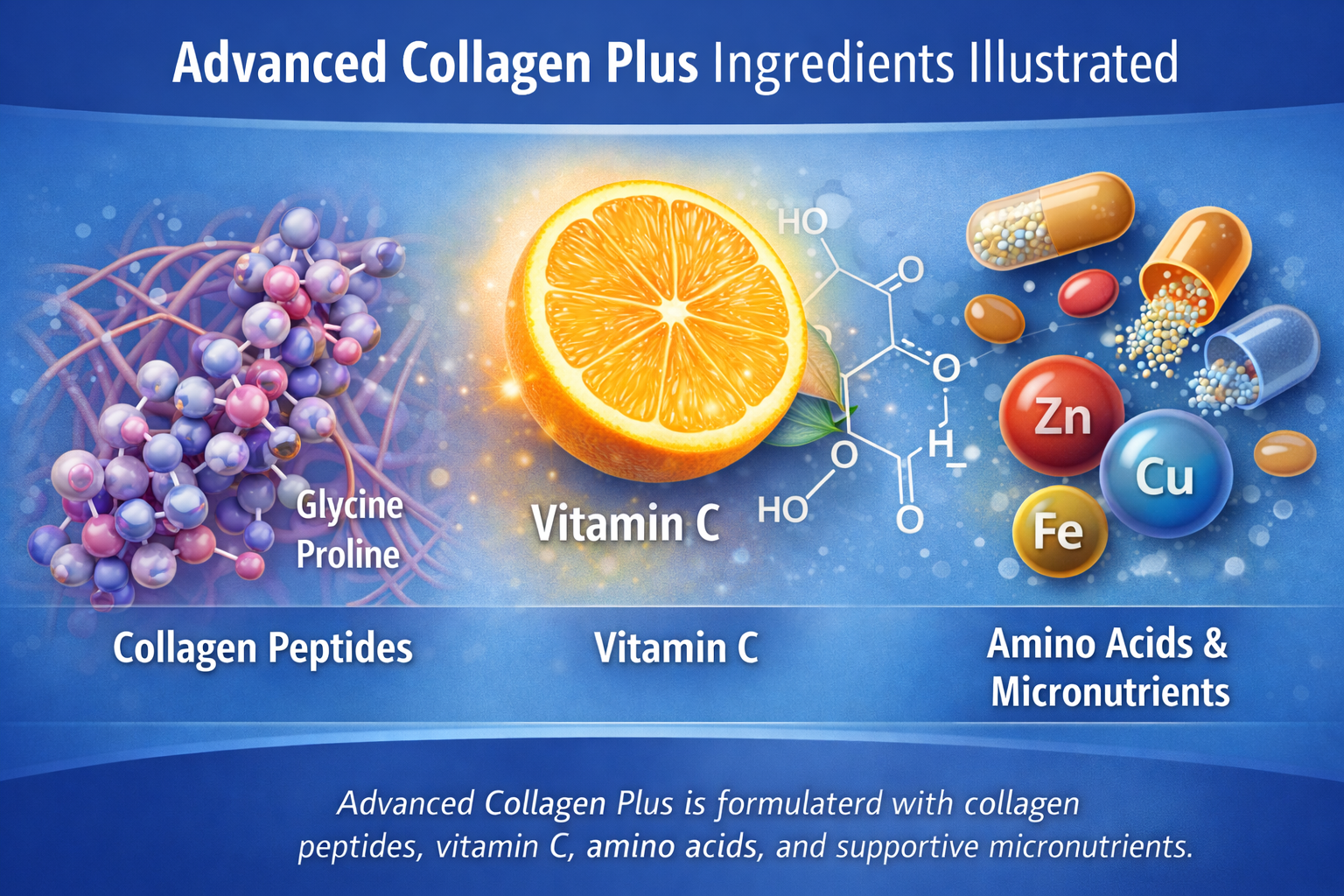
Advanced Collagen Plus Ingredients: Understanding the Formula and Its Nutritional Purpose
Dietary supplements formulated to support collagen-related processes often combine collagen sources with complementary nutrients designed to assist absorption, utilization, and overall structural support. Understanding the ingredients included in a collagen formula helps place its potential role in context and supports informed, responsible use.
Advanced Collagen Plus is positioned as a collagen support supplement developed to complement daily nutrition as part of a broader collagen support strategy. Rather than relying on a single compound, the formula combines collagen with supporting nutrients commonly associated with connective tissue and structural wellness.
This article explains the purpose of each ingredient category, without overstating outcomes or making medical claims.
How This Article Fits Within the Advanced Collagen Plus Content Cluster
This article focuses specifically on the ingredient composition of Advanced Collagen Plus and the nutritional roles these components are intended to play.
Readers seeking a broader understanding may also explore:
- How Advanced Collagen Plus works within the body
- The potential benefits the formula is designed to support
- Proper usage and dosage guidance
- Safety considerations and who should or should not consider using the product
Understanding Collagen as a Dietary Ingredient
Collagen used in dietary supplements is typically derived from animal sources and processed into smaller peptide forms. These collagen peptides are broken down during digestion into amino acids, which the body can then use as building blocks for collagen synthesis and other structural proteins.
Supplemental collagen does not directly replace collagen in the skin or joints. Instead, it contributes amino acids that may support the body’s natural collagen-related processes when combined with adequate nutrition and lifestyle factors.
Key Ingredient Categories in Advanced Collagen Plus
Collagen Peptides
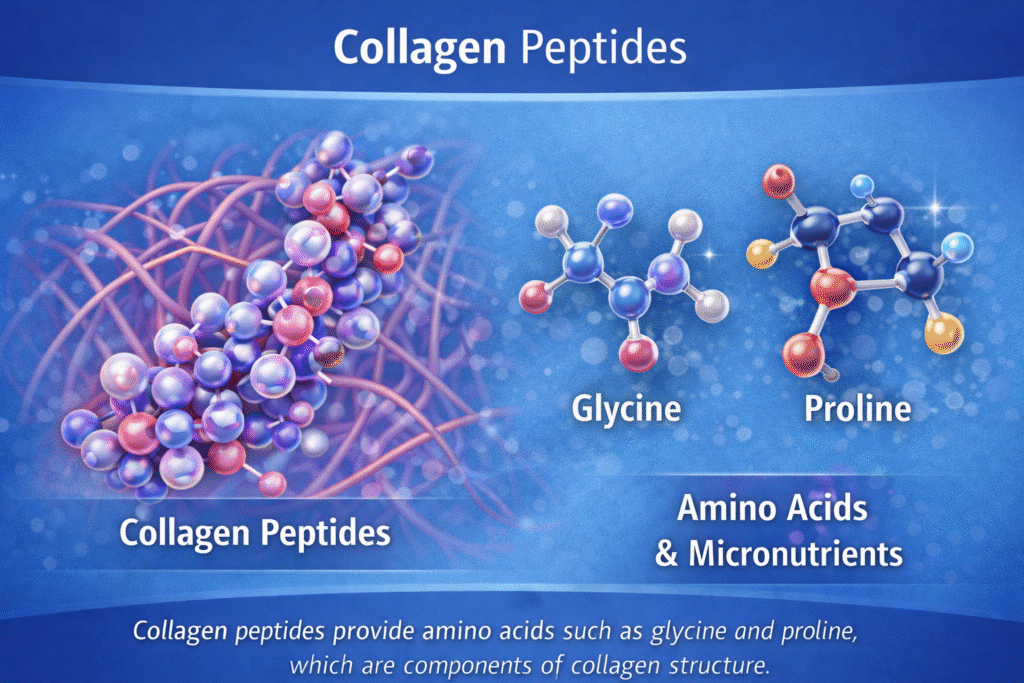
Collagen peptides form the foundation of the formula. They provide amino acids such as glycine, proline, and hydroxyproline, which are commonly associated with collagen structure.
These peptides are included to support normal collagen availability as part of daily protein intake. Their role is nutritional rather than therapeutic.
Vitamin C (Ascorbic Acid)
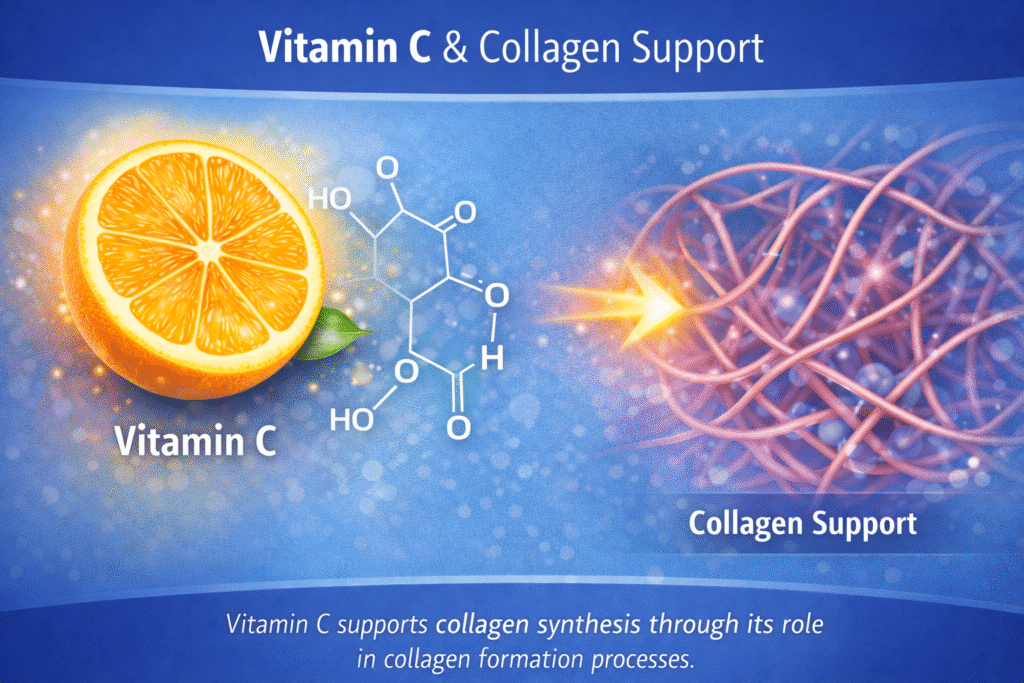
Vitamin C plays a critical role in collagen synthesis by supporting enzymatic processes involved in collagen formation. Without adequate vitamin C, the body’s ability to produce collagen efficiently may be compromised.
Including vitamin C in a collagen formula is a common nutritional strategy to support collagen production pathways.
Supporting Minerals and Micronutrients
Some collagen formulas include trace minerals or additional micronutrients that contribute to connective tissue maintenance and overall structural wellness. These nutrients may support enzymatic activity, tissue integrity, or antioxidant balance.
Their inclusion is intended to complement collagen peptides rather than function as standalone active agents.
Amino Acid Support Components
In addition to collagen-derived amino acids, some formulas may include amino acid-related compounds that help support protein metabolism and tissue maintenance.
These ingredients are not designed to stimulate collagen production directly but may help ensure adequate nutritional support for structural proteins.
Why Ingredient Synergy Matters
Collagen-related processes in the body depend on multiple nutritional factors working together. Protein intake, vitamin availability, mineral status, hydration, and lifestyle habits all influence how effectively collagen is synthesized and maintained.
Advanced Collagen Plus is formulated with this broader nutritional context in mind, emphasizing supportive synergy rather than isolated effects.
What the Ingredient Formula Is Not Designed to Do
To maintain realistic expectations, it is important to clarify that the ingredient blend is not intended to:
- Act as a medical treatment for joint, skin, or bone conditions
- Reverse age-related structural changes
- Deliver immediate or guaranteed visible results
- Replace balanced dietary protein and micronutrient intake
The ingredient list supports nutritional adequacy, not medical intervention.
Ingredient Transparency and Responsible Use
Evaluating supplement ingredients allows individuals to assess compatibility with their dietary needs, sensitivities, and overall health context, which may vary between individuals. Reviewing labels and understanding ingredient roles is an important step before introducing any supplement into a routine.
Frequently Asked Questions About Advanced Collagen Plus Ingredients
Are the ingredients intended to treat joint or skin conditions?
No. The ingredients are included to support normal nutritional processes related to collagen and connective tissue. They are not intended to diagnose, treat, cure, or prevent disease.
Does collagen supplementation work the same for everyone?
No. Individual responses vary depending on age, diet, protein intake, lifestyle, and overall health status.
Is vitamin C necessary in a collagen formula?
Vitamin C plays an important role in collagen synthesis. Including it helps support the body’s natural collagen production pathways.
Can these ingredients replace collagen-rich foods?
No. Supplements are designed to complement, not replace, whole food sources of protein and nutrients.
Should individuals with medical conditions review ingredients first?
Yes. Anyone with medical conditions, allergies, or who takes medications should review ingredients carefully and consult a qualified healthcare professional before use.
Medical Disclaimer
This content is provided for educational purposes only and is not intended as medical advice. Advanced Collagen Plus is a dietary supplement and is not intended to diagnose, treat, cure, or prevent any disease. Individual results may vary. Always consult a qualified healthcare professional before starting any new supplement, especially if you are pregnant, nursing, have a medical condition, or take prescription medications.